


What is the typical depth of a children study chair seat?
Oct 02, 2025
Leave a message
Hey there! As a supplier of children study chairs, I often get asked about the typical depth of a children study chair seat. It's a crucial factor that can greatly impact a child's comfort and health during those long study sessions. So, let's dive right in and explore this topic.
First off, why is the seat depth so important? Well, a proper seat depth ensures that a child's thighs are fully supported. If the seat is too deep, the back of the knees will press against the edge of the seat, cutting off blood circulation and causing discomfort. On the other hand, if it's too shallow, the child won't have enough support, which can lead to slouching and back problems over time.
Now, let's talk about the typical seat depth for children study chairs. The ideal seat depth generally depends on the age and height of the child. For younger kids, say between the ages of 3 - 6, a seat depth of around 12 - 14 inches is usually suitable. These kids are smaller in stature, and a shallower seat depth provides them with the right amount of support. Our Children Study Chair comes in various sizes to accommodate different age groups, and we've carefully designed the seat depth for the little ones to ensure maximum comfort.
As children grow older, from 7 - 12 years old, they need a bit more space. A seat depth of 14 - 16 inches is more appropriate for this age range. At this stage, kids are starting to spend more time studying, and a proper seat depth helps them maintain a good sitting posture. Our Anti - Humpback Chair is a great option for this age group. It not only has the right seat depth but also features anti - humpback design to promote healthy sitting habits.

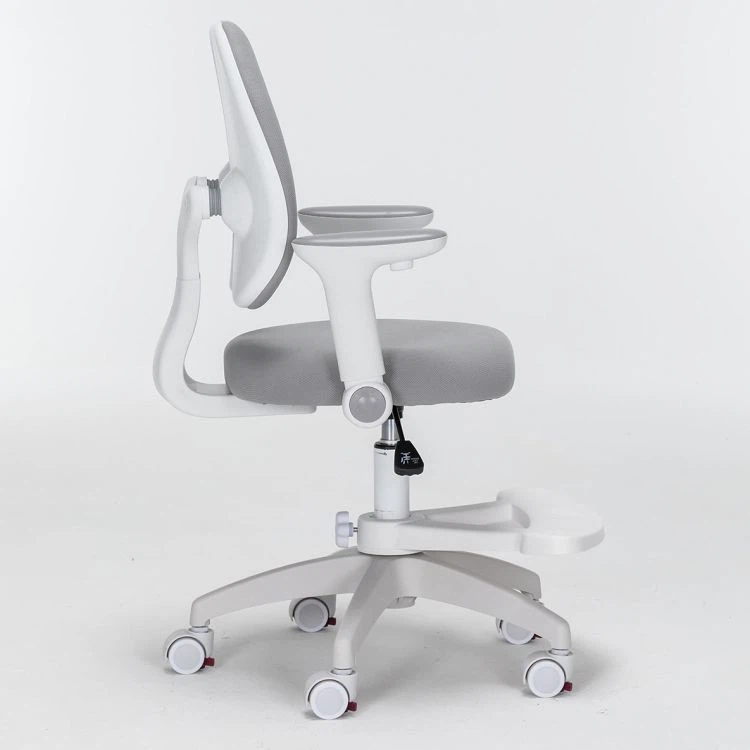
For teenagers, 13 - 18 years old, a seat depth of 16 - 18 inches is often recommended. Teenagers are close to adult size, and they need a seat that can fully support their thighs. Our Multi - Color Optional Rotating Ergonomic Chair is a hit among teenagers. With its adjustable features and proper seat depth, it can adapt to the changing needs of growing teenagers.
But how do we determine the right seat depth for a specific child? One simple way is to measure the child's thigh length. Have the child sit on a flat surface with their back against a wall and their knees bent at a 90 - degree angle. Measure from the back of the buttocks to the back of the knee. Then, subtract about 1 - 2 inches from this measurement to get the ideal seat depth. This ensures that there's a small gap between the back of the knee and the edge of the seat, preventing any pressure points.
In addition to age and thigh length, other factors can also influence the choice of seat depth. For example, if a child has a larger build or longer legs for their age, they may need a deeper seat. And if a child has any special needs or physical conditions, such as scoliosis, a customized seat depth may be required.
When it comes to the material of the seat, it also plays a role in the overall comfort. Soft, breathable materials like mesh or high - quality fabric can make a big difference. They not only feel good against the skin but also help prevent sweating during long study hours. Our chairs are made with the best materials to ensure both comfort and durability.
Another aspect to consider is the adjustability of the seat depth. Some of our chairs come with adjustable seat depths, which is a great feature as it allows the chair to grow with the child. As the child gets older and their body changes, the seat depth can be easily adjusted to provide the perfect fit.
In conclusion, the typical depth of a children study chair seat varies depending on the age and physical characteristics of the child. By choosing the right seat depth, we can help children maintain a healthy sitting posture, reduce the risk of back problems, and make their study time more comfortable.
If you're interested in our children study chairs and want to discuss procurement, feel free to reach out. We're always happy to answer your questions and work with you to find the best chairs for your needs.
References
- Ergonomics for Children in the Classroom: A Guide to Furniture Selection and Use.
- Journal of Pediatric Orthopedics, articles related to sitting posture and furniture design for children.
Send Inquiry